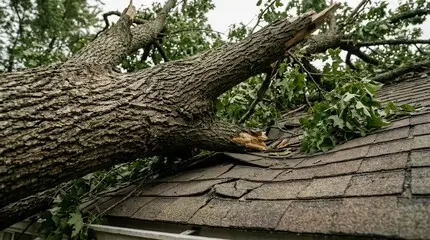
What to Do After a Tree Falls on Your Roof: A Homeowner’s Guide A fallen tree on your roof needs...

Hailstorms in Kansas City aren’t just a seasonal nuisance, they’re a real threat to your home and your wallet. If you’ve found yourself wondering whether your insurance covers roof hail damage, you’re not alone. With home insurance premiums in Kansas climbing over the years, it’s more important than ever to know what your policy actually protects.
Whether you’re dealing with visible roof damage or just want to be prepared, this guide lays out what homeowners need to know about insurance and hail damage claims.
In most cases, yes. Standard homeowners insurance policies typically cover hail damage to your roof. Depending on your policy, that might include repairs or full replacement. However, the payout can vary based on factors like your deductible, the roof’s age, and the type of coverage you carry.
The easiest way to check is to look at your declarations page. That’s where hail damage will be listed as a covered peril, usually under dwelling or property coverage. If you’re still unsure, a quick call to your insurance agent can clear things up. It’s better to know ahead of time than to guess after a storm hits.
There’s a major difference between actual cash value (ACV) and replacement cost value (RCV) when it comes to insurance claims and it could mean thousands of dollars.
RCV pays for the full cost to replace your roof, minus your deductible. If you complete the work and submit the right paperwork, you get reimbursed for the depreciation.
ACV subtracts depreciation up front and doesn’t reimburse you later. That means you’re likely paying a much bigger chunk out of pocket.
For example:
Let’s say your roof replacement costs $20,000 and your deductible is $2,000.
With RCV, you might receive $14,000 initially and get another $4,000 after the job is done, leaving you responsible only for the $2,000 deductible.
With ACV, you might only get $10,000 total, meaning you’re on the hook for the rest.
There’s no universal standard, but many insurance companies will approve a full roof replacement if around 25% to 50% of the roof is damaged. It depends on the severity, the roofing materials, and the adjuster’s assessment. Having a qualified contractor present during the inspection can make a big difference. They’ll help ensure nothing gets missed and that damage is properly documented.
Even when hail damage seems obvious, insurance companies don’t always agree. Claims may be denied for reasons like:
Not enough damage
Misidentifying regular wear and tear as storm damage
Waiting too long to file
Not providing solid documentation
Policy exclusions, like only covering functional—not cosmetic—damage
And unfortunately, some claims get denied because the damage simply isn’t there. Not all roofing companies are honest—some push homeowners to file claims even when there’s no significant damage, hoping for an easy payday.
Insurance companies often rely on internal estimates that don’t tell the whole story. If you get a low payout:
Ask a trusted roofing contractor to review the estimate.
Provide additional documentation or photos.
Consider getting a second inspection.
If needed, hire a public adjuster to advocate on your behalf.
Negotiating can be frustrating, but standing your ground—with proper evidence—often leads to a better result.
When it’s time to file a claim, don’t wait around. Here’s what to do:
Take photos of all visible damage—roof, gutters, siding, windows, decks, outdoor equipment.
Note the size of the hail and the date of the storm.
Contact a reputable roofing contractor to perform a full inspection.
Call your insurance company and file the claim, ideally within a few days of the storm.
Most insurance policies give you up to a year to file, but it’s always better to move quickly. The longer you wait, the harder it is to prove the damage was caused by the storm.
It might, but not always. Hail damage is usually considered an “act of God,” which makes it less likely to spike your individual premium unless you’ve filed multiple claims in a short period. However, insurers can raise rates across an entire region if there’s been a lot of storm activity, meaning your premium might increase even if you never file a claim.
You can’t stop a hailstorm, but you can take steps to reduce potential damage and possibly save on insurance:
Install impact-resistant shingles or a heavier gauge metal roof.
Perform regular roof maintenance and clear debris.
Ask your insurer about discounts for upgraded materials.
These improvements don’t just help during a storm, they also strengthen your case when filing a claim.
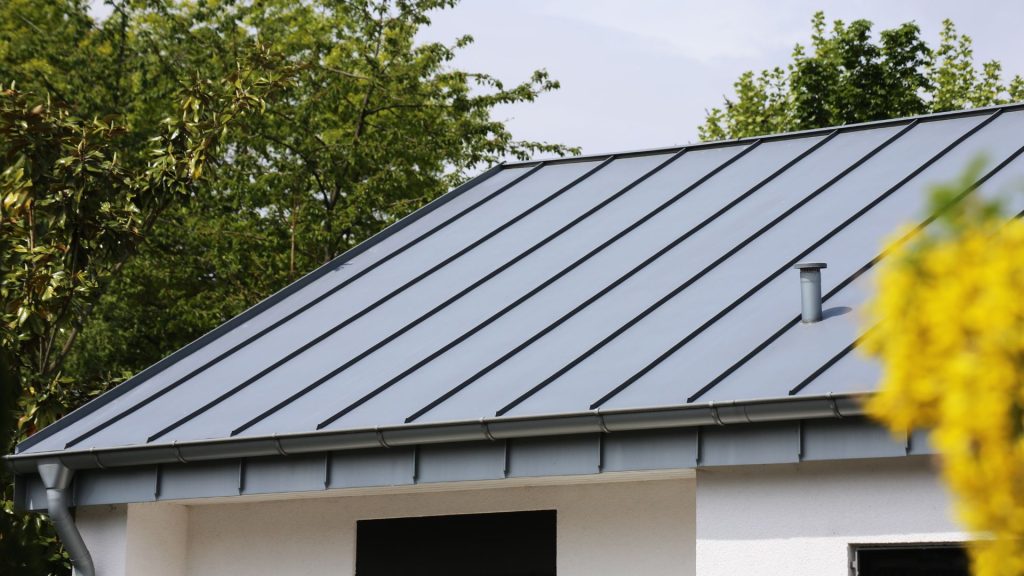
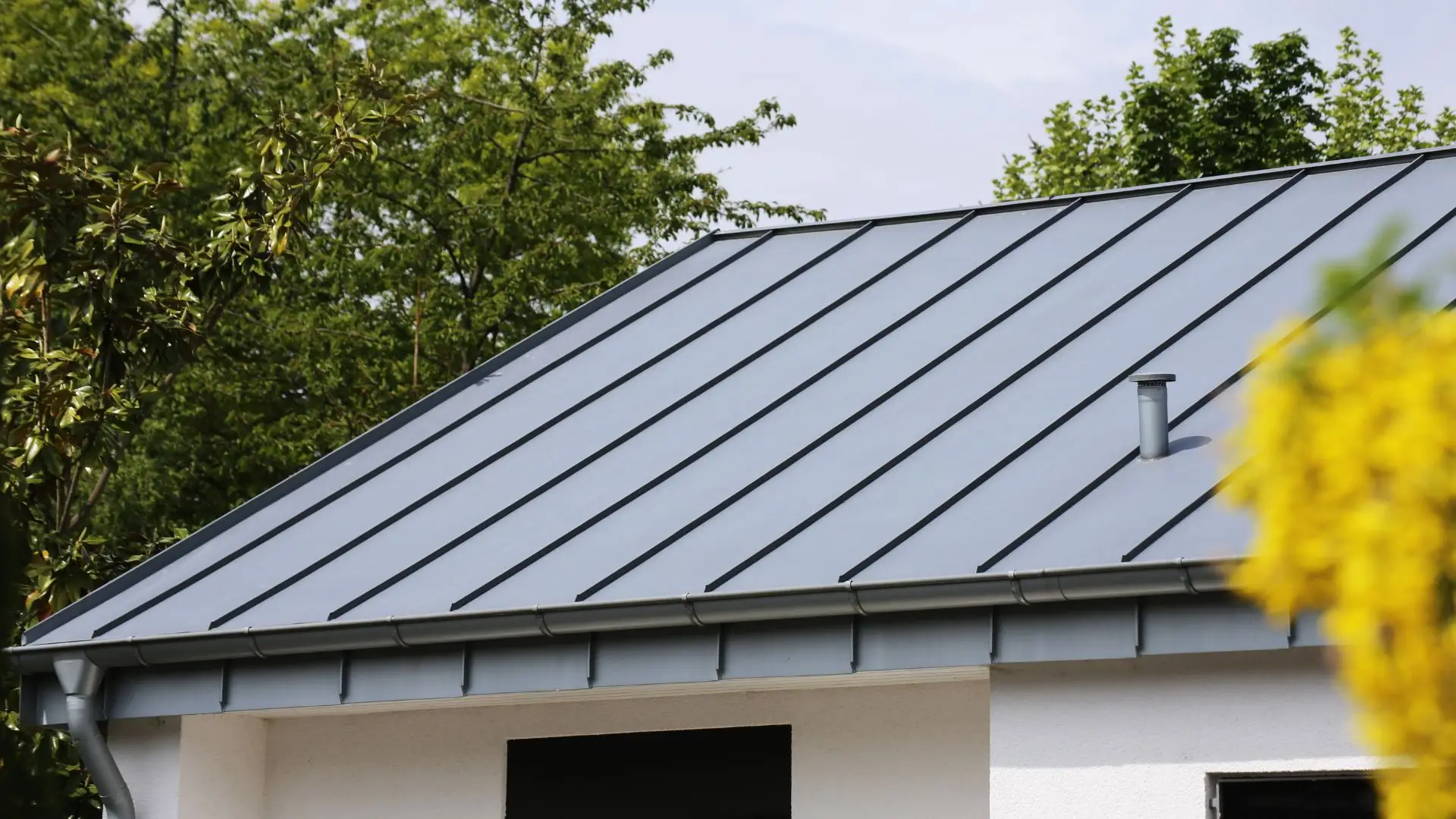
Metal roofs are typically covered just like asphalt shingles. However, many insurance policies only cover functional damage, not cosmetic dents. If your metal roof still performs well, the insurer may deny a claim for appearance-related issues. Again, the fine print in your policy makes all the difference.
As hail season continues to hit Kansas hard, understanding your insurance policy and acting quickly after a storm, can mean the difference between full coverage and a financial headache. The stakes are high, especially with rising premiums across the state.
If you suspect hail damage or want peace of mind, don’t go it alone. Get an inspection from someone who knows what to look for, can back you up during the claims process, and will help you make the best decision for your home.
If you think your roof may have been damaged—or just want to get ahead of the next one—we’re here to help.
Request a free inspection or give us a call today. We’ll walk you through the insurance process, help you understand your options, and make sure your roof gets the attention it deserves.

What to Do After a Tree Falls on Your Roof: A Homeowner’s Guide A fallen tree on your roof needs...
Most people shop for homeowners insurance by comparing a few numbers: premium, deductible, coverage amount. Seems simple enough. But several...
When people compare metal roofs to shingles, they’re usually picturing one type of metal roof. In reality there are a...