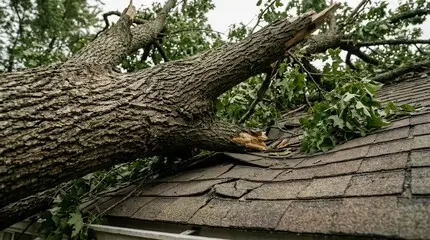
What to Do After a Tree Falls on Your Roof: A Homeowner’s Guide A fallen tree on your roof needs...

Don’t let hidden hail damage cost you later. Here’s how to spot the signs and what to do next.
We get it — Kansas City weather can be brutal. One minute it’s sunny, the next, you’re getting pelted with hail the size of golf balls. After a storm rolls through, your first thought probably isn’t your roof. But it should be.
Hail can do a number on your home — especially your roof — and a lot of the time, the damage isn’t obvious until it turns into a leak or a costly repair. That’s why we put together this no-fluff, real-talk guide to help you figure out whether your roof took a hit and what steps to take next.
Even if your roof looks fine from the driveway, that doesn’t mean it’s in the clear. Hail can knock granules off your shingles, crack them, or bruise them in ways that lead to leaks months down the line.
Here’s why a quick inspection is worth your time:
Catch problems early — before they get expensive
Back up an insurance claim with real proof
Avoid water damage that could mess with your ceilings, walls, and insulation
Think of it like going to the doctor after a fender bender. You might feel fine, but it’s better to be sure.

We’re not saying climb on your roof — in fact, we usually tell folks not to. Unless you’re experienced and have the right gear, it’s safer (and smarter) to start from the ground.
Grab your phone or a camera and start with a walkaround. Look for:
Dents in your gutters and downspouts
Chips or cracks in your siding and garage doors
Paint missing on your deck or fence
Damage around your windows or trim
Use binoculars if you’ve got them — they’re a game-changer for seeing the roof without leaving the ground.
If you do go up on the roof (again, not our first choice), make sure you:
Tie your ladder to the gutters
Wear soft-soled shoes with good grip
Use a safety harness
Never climb when it’s wet or windy
Safety first. Always.
Here’s what hail damage often looks like on a roof:
Dark spots or bruises – These are areas where granules are missing.
Soft shingles – If they feel spongy, they’re likely bruised.
Cracks or dents – Especially along the edges of shingles.
Exposed black backing – That’s the asphalt layer underneath.
Just one thing: don’t rub every spot with your finger to “test it.” Doing that in more than one place can actually be seen as intentionally causing damage, and that could mess up your insurance claim.
Hail doesn’t just hit your roof. Keep an eye out for:
Holes or dents in vinyl or aluminum siding
Bent or dinged-up gutters
Cracked skylights or vent covers
Damaged window frames or chipped paint
If you’re seeing damage on your siding or deck, chances are your roof took a beating too.

That’s what we’re here for.
If something looks off or you’re just not confident, call a trusted local roofer (yep, like us). We’ll come take a look, show you exactly what we see, and walk you through your options.
No guesswork. No pressure.
Most homeowners insurance covers hail damage, but timing is everything. The longer you wait, the harder it can be to get the coverage you deserve.
Take pictures – Lots of them. Get the date on everything.
Get a roofer involved early – We can spot things insurance adjusters sometimes miss.
Don’t file the claim just yet – Wait until you’ve had a professional inspection.
Be there for the adjuster’s visit – Or let us be there on your behalf to make sure nothing is overlooked.
Pro Tip: Insurance companies aren’t trying to rip you off, but they’re busy and they miss stuff. Having a roofer with you during the inspection is the best way to make sure your claim covers everything it should.
Depending on what we find, you’ve got options:
Patching a few shingles – Quick and affordable if the damage is minor
Partial roof repair – When one area took the brunt of the storm
Full replacement – If the roof is older or took heavy hits
We’ll always recommend what makes sense for your situation — not just what makes us the most money. That’s a promise.
Bonus: We can install impact-resistant shingles if you want to upgrade for better protection next time.

Don’t wait. Hail damage gets worse with time, and your window for insurance help doesn’t stay open forever.
Give us a call or request a free inspection — we’ll come out, check your roof, show you the photos, and talk through next steps. You’re never on the hook unless you decide to move forward.
We’re local, we’re honest, and we’ve seen it all when it comes to Kansas City storms. Let us help you stay ahead of it.
How soon should I act after a hailstorm?
Within 72 hours. The sooner you check, the better your shot at a successful insurance claim.
Can I really inspect it myself?
Sort of. Ground-level checks are fine. But for a full assessment, call a pro.
What should I collect for an insurance claim?
Photos, dates, an inspection report, and any quotes or repair receipts.
We’re here to help you figure it out, not pressure you into anything. If your roof’s in great shape, we’ll tell you. If it needs work, we’ll show you exactly why.
Call now or request a free inspection. Protect your home before that little issue turns into a big one.

What to Do After a Tree Falls on Your Roof: A Homeowner’s Guide A fallen tree on your roof needs...

Most people shop for homeowners insurance by comparing a few numbers: premium, deductible, coverage amount. Seems simple enough. But several...
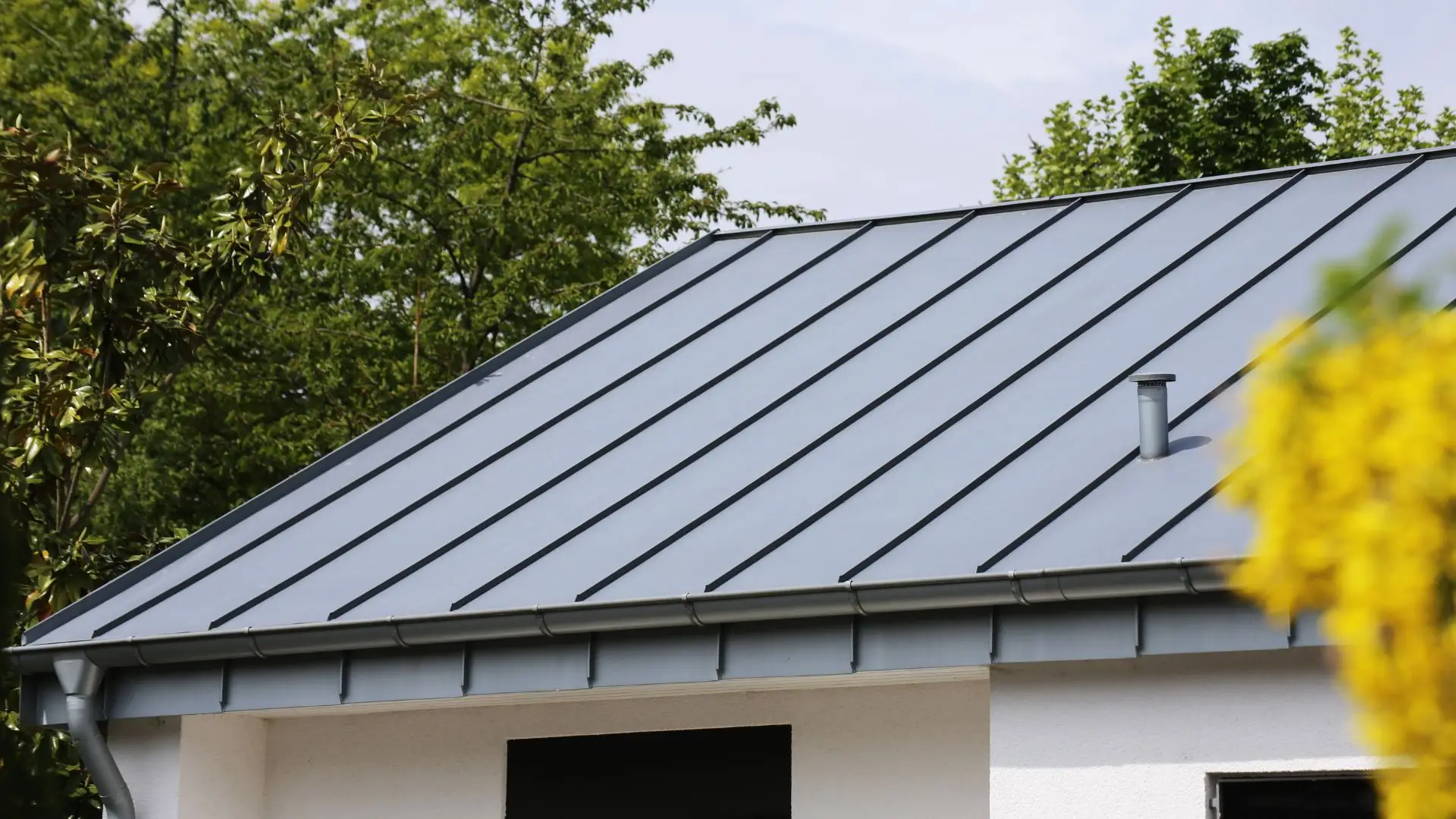
When people compare metal roofs to shingles, they’re usually picturing one type of metal roof. In reality there are a...