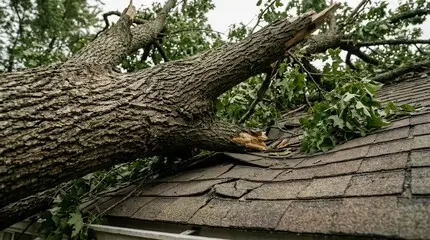
What to Do After a Tree Falls on Your Roof: A Homeowner’s Guide A fallen tree on your roof needs...

You’ve got a leak in the ceiling, or maybe a hailstorm just ripped through your neighborhood. Suddenly, your peaceful routine turns into Googling “best roofing contractors near me” and trying to sort through a dozen options—all claiming they’re “the best in town.”
We get it. At Red-Tail Roofing, we’ve met hundreds of homeowners who felt overwhelmed, unsure who to trust, and worried about getting burned. That’s why we’re pulling back the curtain. No gimmicks, no fluff—just solid advice from folks who’ve been swinging hammers for decades.
Here’s the truth: anyone with a ladder and a pickup truck can say they’re a roofer. But when it comes to protecting your home, you want someone who’s certified, insured, and in it for the long haul.
Here’s what to ask for:
A roofing license (check with Kansas state or your city in Missouri—yes, it varies)
Liability and workers’ comp insurance (get a copy of their insurance certificate—don’t just take their word)
Certifications from top brands like GAF, Malarkey, or CertainTeed
Local memberships like the Kansas Roofers Association
These aren’t just paper badges. They show a contractor’s committed to quality, safety, and ongoing training.

If a roofer tells you “we don’t really do contracts” or “insurance is optional,” that’s your cue to hit the brakes.
Here’s how to verify:
Ask for proof of insurance directly from their provider.
Confirm they’re licensed through your city or county.
If it’s a big job, ask for their bonding paperwork too.
Good roofers have nothing to hide. And if they’re hesitant to show paperwork? That says a lot.
We’ve seen the out-of-town “storm chasers” swoop in after a hailstorm, slap on a few roofs, and vanish when something goes wrong. You deserve better.
Local pros:
Know the local codes and permits
Understand Kansas City’s wild weather
Are around to honor warranties
Have word-of-mouth reputations to uphold
Bottom line: you want someone who’s rooted in your community—not passing through.
When we sit down with homeowners, we break down every part of the estimate. You should never feel like you’re decoding a riddle.
A legit estimate should include:
Brand names and product types
What’s included (and what’s not)—like flashing, vents, or chimney work
Warranty details
Cleanup plans—because no one wants nails in their lawn
If a bid looks suspiciously low or vague, there’s probably a catch.
We’ve seen it too many times: homeowners grab the lowest bid and end up paying double to fix shortcuts later.
Here’s how to compare:
Look at materials, timeline, and warranty
Ask for references
Read online reviews… especially on Google and Facebook
Ask the contractor, “Why is your bid different?” and watch how they answer
You’ll learn a lot just by how open and confident they are.

It’s not the fun part—but it’s the part that protects you.
Look out for:
Payment terms (never pay 100% upfront)
Job timeline
Material details and cleanup
Change order rules (so you’re not nickel-and-dimed)
Permit responsibility
And yes, you need it all in writing. Always.
A trustworthy roofer should back their work—and be able to explain how.
You should get:
A workmanship warranty (usually 5–10 years)
A manufacturer’s warranty (20–50 years)
Make sure you understand what’s covered, what’s not, and how to make a claim. If the contractor’s vague, keep shopping.

If it feels like a hustle, it probably is. Some red flags to watch for:
Unmarked trucks or no website
High-pressure sales tactics
No physical address
“Just sign this” contracts on the spot
One big clue: if they knock on your door out of the blue and tell you there’s damage you can’t see, be cautious. A real pro encourages questions—not pressure.
Want to avoid problems? Stay involved.
Do this:
Ask what materials are being used—by brand name
Look at the actual packaging to confirm
Watch the work progress—uneven shingles or messy flashing are red flags
Talk to the site supervisor and ask, “What are you doing here?” They should be happy to explain.
You don’t need to be a roofing expert—but curiosity goes a long way.

Before you commit, ask:
What materials will be used?
What’s the timeline?
Who pulls the permits?
How do you handle surprises or delays?
Can I see proof of license and insurance?
If they answer confidently and clearly, that’s a good sign.
You shouldn’t have to roll the dice when hiring a roofer. Ask the right questions, look for real credentials, and trust your gut. When a roofer values your home like it’s their own—that’s someone worth hiring.
And if you’re ready to skip the headaches, give us a call or request a free inspection today. At Red-Tail Roofing, we show up, we stand behind our work, and we treat you like family.

What to Do After a Tree Falls on Your Roof: A Homeowner’s Guide A fallen tree on your roof needs...
Most people shop for homeowners insurance by comparing a few numbers: premium, deductible, coverage amount. Seems simple enough. But several...
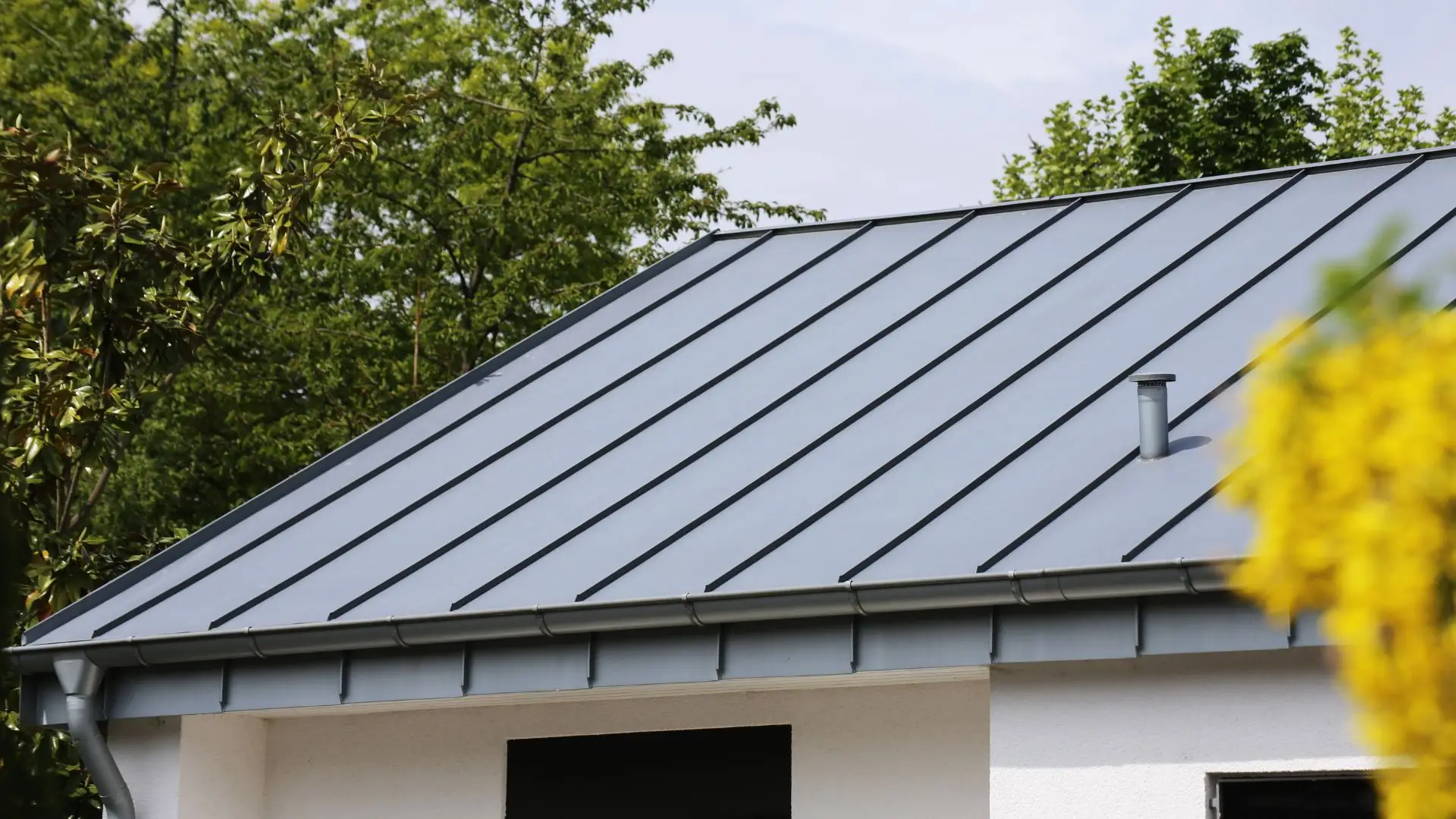
When people compare metal roofs to shingles, they’re usually picturing one type of metal roof. In reality there are a...