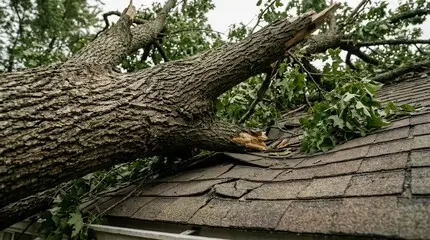
What to Do After a Tree Falls on Your Roof: A Homeowner’s Guide A fallen tree on your roof needs...

Don’t let a storm lead to a second disaster. Here’s how to spot shady roofers before they take your money and run.
After a big storm hits, you’re already overwhelmed—maybe a tree came down, shingles flew off, or your ceiling is dripping water. You want it fixed. Fast.
Unfortunately, that’s when the scammers show up. They knock on your door, act like your new best friend, and offer a “great deal” if you sign today. Or they call saying they’re working with your insurance company and urge you to file a claim now.
And just like that, you’re at risk of losing thousands—or worse, ending up with a botched or unfinished repair job.
Let’s make sure that doesn’t happen.
Here’s how these scams usually play out, based on what we’ve seen firsthand in Kansas City and beyond:
They come to you—not the other way around. Whether it’s a knock or a cold call, they say your roof looks damaged and offer a “free inspection.”
They use scare tactics. “If you wait, your insurance won’t cover it.” Or “This offer expires today.” That’s pressure, not professionalism.
They want money up front. Then they vanish, or worse—they start the job and leave it half-done.
They fake damage. Some shady folks will literally hit your roof with a hammer to mimic hail so they can file a bigger insurance claim.
If any of that sounds familiar, pump the brakes. You’re probably dealing with a scam.
Let’s break it down:
These are the ones who show up out of the blue with a clipboard and urgency in their voice. They’ll say they’re “already working in the neighborhood” and that your roof “definitely needs to be replaced.” Next thing you know, they’re pushing you to sign a contingency agreement—basically locking you into using them if the insurance company agrees to pay. Good news: These contracts aren’t binding. Don’t feel trapped.
These folks sound a little more official. They might claim to work with your insurance carrier and say your home’s flagged for damage. Often, they’re just using a phone book and fear tactics.
Bottom line? If someone reaches out to you first—especially with urgency or deals that sound too good to be true—trust your gut.

Here’s the scary part: Some scammers know how to game the system, and they try to pull you in.
They might:
Create fake hail damage or overstate what’s wrong
Bill your insurance for work that was never done
Offer to “waive” your deductible (that’s actually illegal and can get you in hot water)
If you unknowingly sign off on a fraudulent claim, you could face denied coverage, increased premiums, or even legal trouble. Not worth it.
You don’t need to be an expert to spot a trustworthy contractor. Here’s how you can vet someone:
And remember: A good contractor welcomes questions. If they get annoyed or try to dodge, that’s a problem.

If a big storm just hit, take a breath and follow these steps:
Check for damage safely. Don’t climb up yourself—use binoculars or call someone trustworthy.
Do your research. Search for local companies with strong reputations.
Get at least two estimates. Not just for price comparison, but to see who’s honest and thorough.
Avoid signing anything at the door. Especially from someone you didn’t contact.
Consider temporary fixes. Tarps or quick patches can prevent more damage while you get organized.
If you can, find your roofer first—then file the claim. That gives you more control and helps prevent being pressured by a scammer pretending to “help.”
We get this question all the time: “How do I know you’re not one of the scammers?”
Fair.
Here’s how we handle things at Red-Tail Roofing:
We show you everything—photos, damage reports, scope of work
We work with your insurance adjuster (not around them)
We never inflate claims or promise to “get around” your deductible
We explain your options, answer questions, and never rush you
We have a local crew, real reviews, and a history in the community
That’s the standard. Nothing less.
Don’t panic. But don’t wait either.
Stop all payments to the contractor immediately.
Gather your paperwork. Contracts, texts, receipts—everything helps.
Report them to your local law enforcement and your state’s consumer protection agency.
Call your insurance company. They may help you navigate the next steps.
Talk to an attorney if you’re unsure what your options are.
Even if you just suspect something shady, it’s better to act early.

Scammers succeed when we stay silent. So spread the word:
Tell your neighbors
Post in your community Facebook group or Nextdoor
Leave reviews—good and bad
Share articles like this one
You could save someone from a big headache—and that matters.
At Red-Tail Roofing, we’ve weathered storms with thousands of homeowners. We’re fast when we need to be, but never pushy. When it comes to your home, you deserve someone who takes the time to do it right.
Want to talk to a real person? We’re happy to help—no pressure, no gimmicks.
We’ll come out, take a look, and walk you through everything. No strings attached.

What to Do After a Tree Falls on Your Roof: A Homeowner’s Guide A fallen tree on your roof needs...
Most people shop for homeowners insurance by comparing a few numbers: premium, deductible, coverage amount. Seems simple enough. But several...
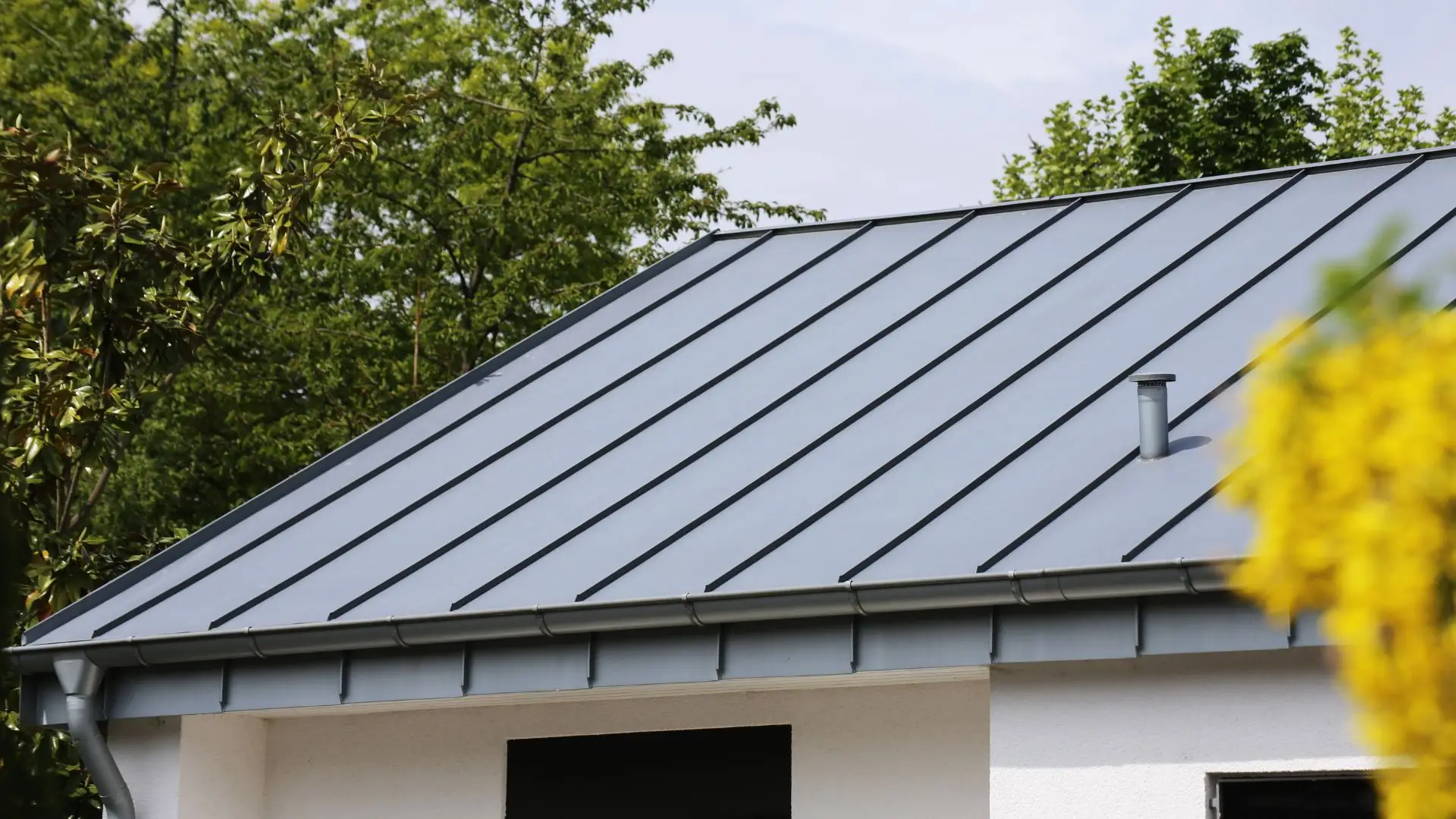
When people compare metal roofs to shingles, they’re usually picturing one type of metal roof. In reality there are a...